Welcome to Everyone Can Code — Here's Why You Still Need to Learn
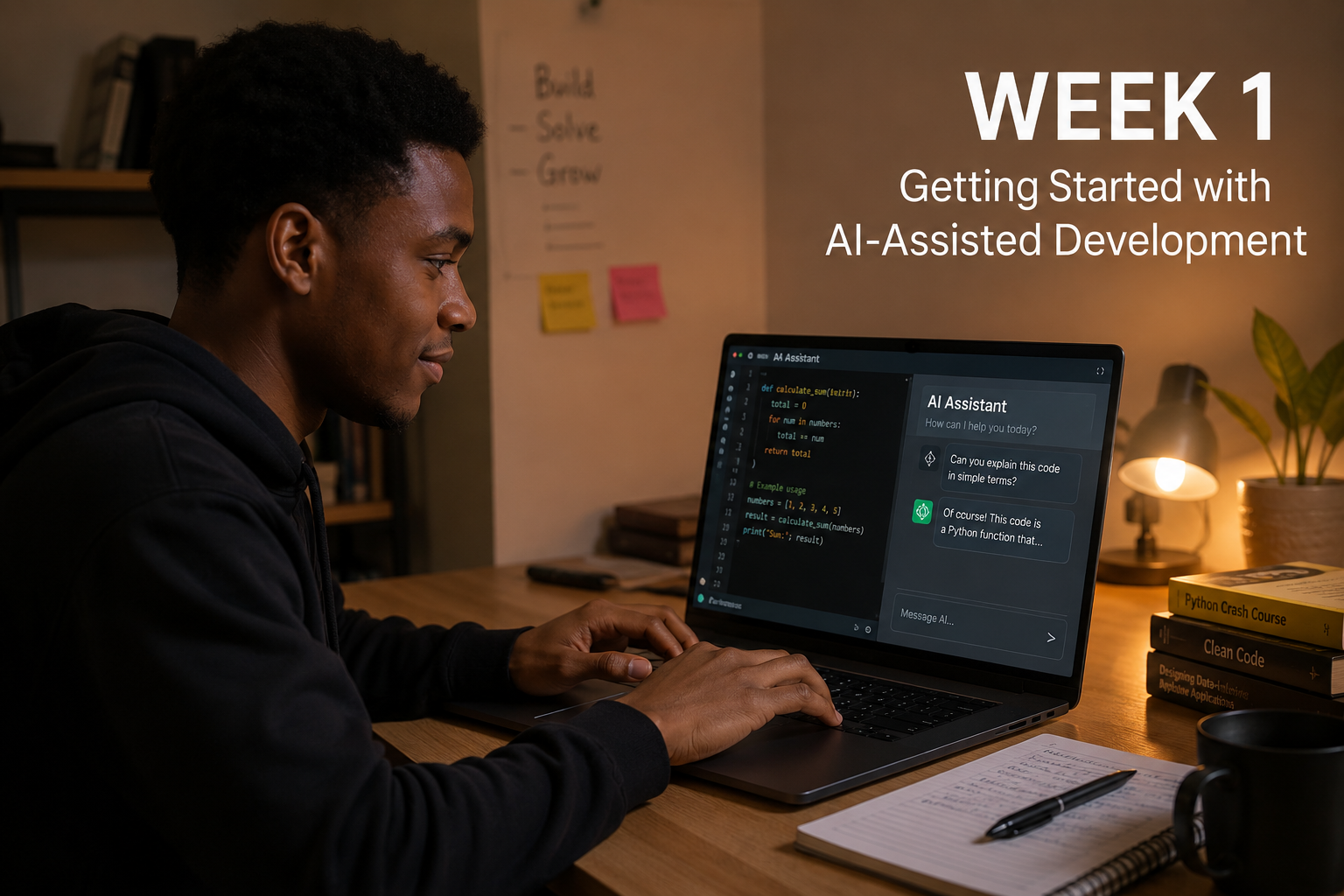
Let's Start With a Question
Have you ever heard someone say, "ChatGPT can write code now, so why bother learning?"
It's a fair question. AI tools really can write code — sometimes surprisingly good code. But here's what those tools can't do: they can't think for you. They can't understand what problem you're actually trying to solve, decide what to build, or catch the mistake that could bring your whole system down at 2am.
That's still a human job. And that's what this series is about.
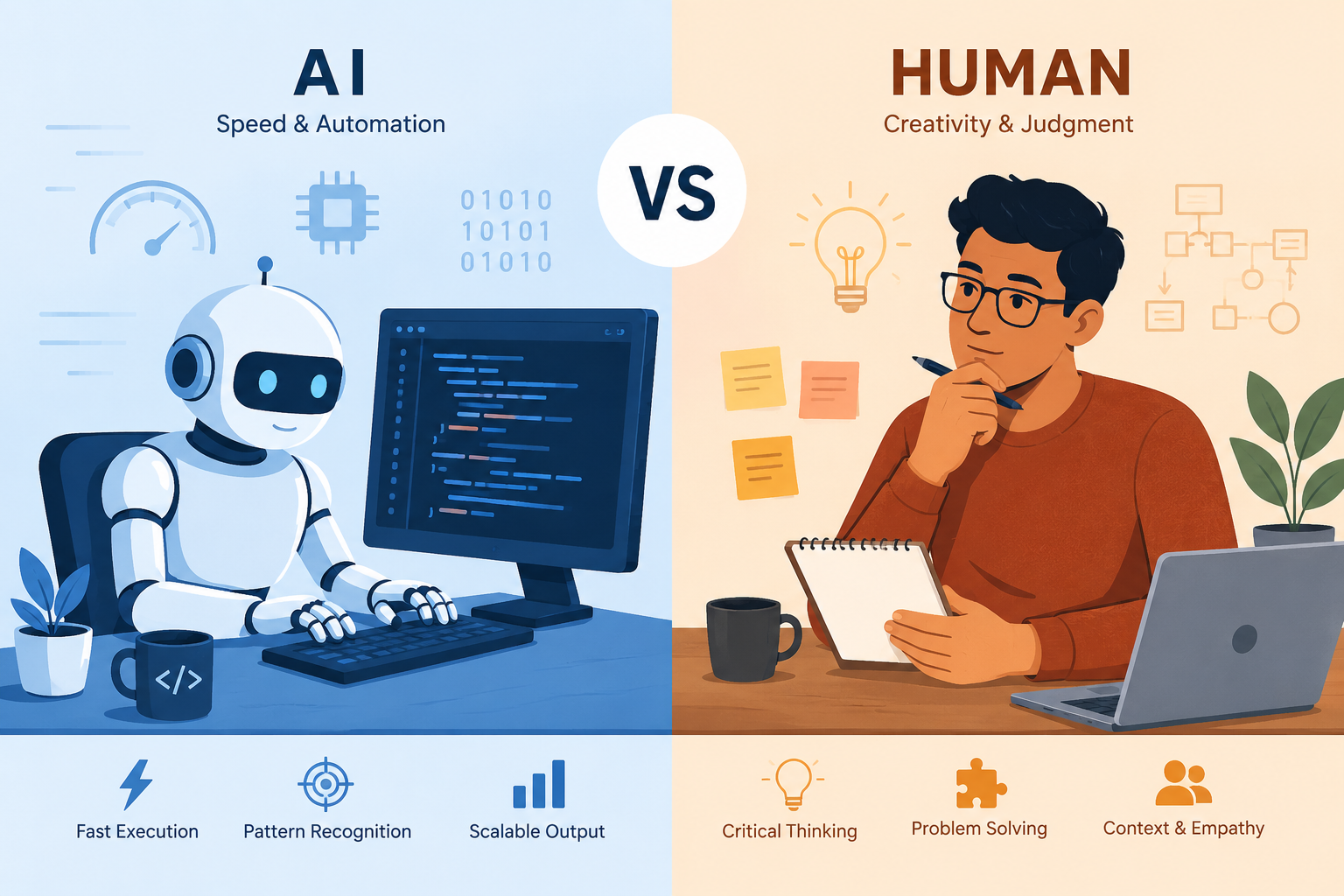
So, What Is 'Everyone Can Code'?
This is a weekly blog series for students and young learners who want to understand how software really works — and how to build things in a world where AI is part of the toolkit.
We're not going to memorize syntax. We're not going to grind through coding exercises for their own sake. Instead, we'll learn how to think like engineers: how to design systems, solve problems step by step, use AI tools wisely, and build projects you're actually proud of.
By the end of six months, you'll have built real things, understood how big apps like Instagram or WhatsApp are designed, and developed a skill set that no AI can replace.
Why Coding Matters More in an AI World, Not Less
Here's something counterintuitive: the more AI can do, the more valuable human coding knowledge becomes.
Why? Because AI is a tool — and tools are only as good as the person using them. When you understand code, you can:
- ›Give AI better instructions (and get much better results)
- ›Spot when AI-generated code has bugs or design flaws
- ›Understand why something isn't working, not just hope the AI fixes it
- ›Build systems and products instead of just using ones others made
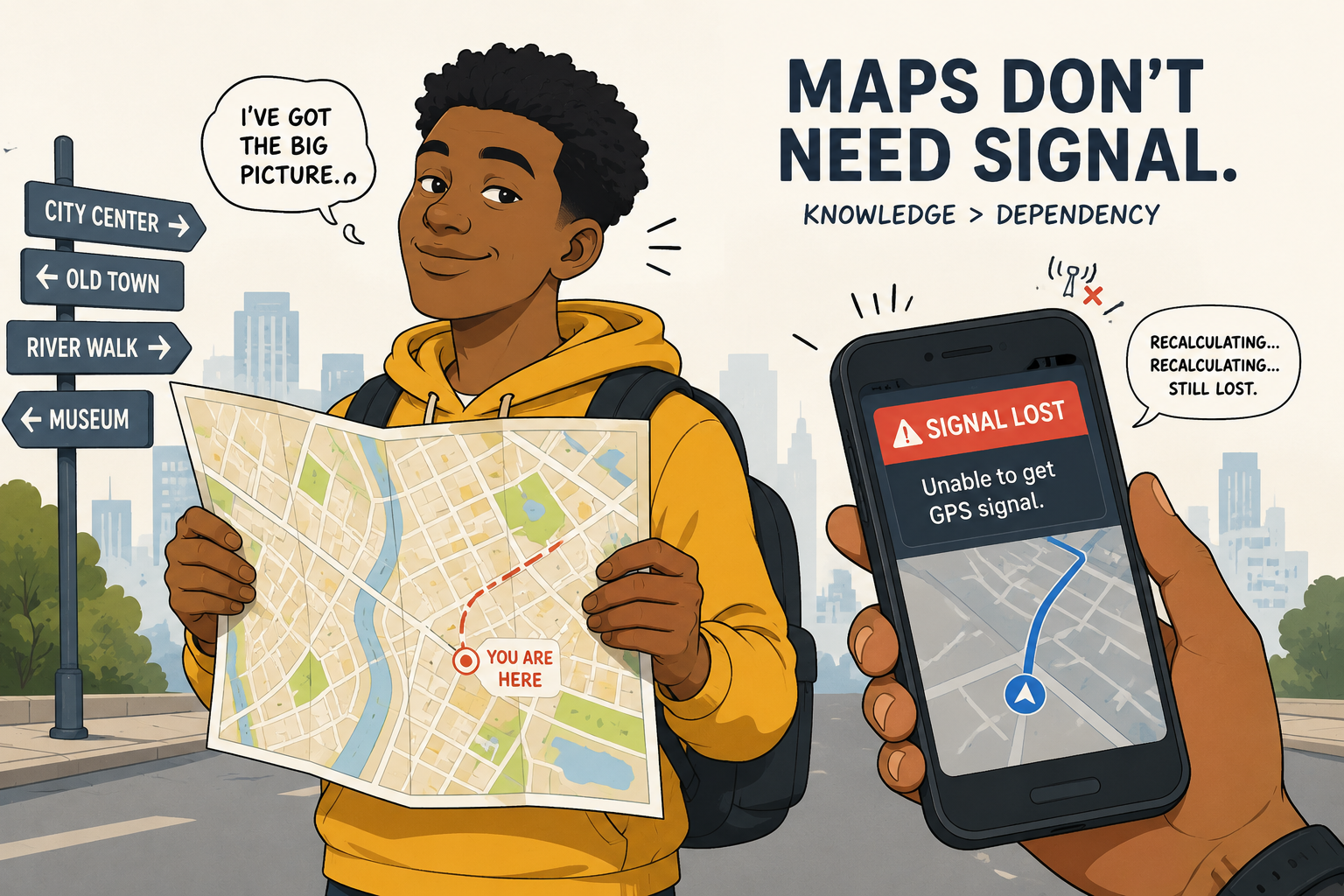
Think of it like driving. GPS apps can guide you anywhere — but if you have no idea how roads or directions work, you'll get totally lost the moment GPS fails. Understanding the fundamentals gives you control.
What We'll Cover Over 6 Months
Here's a quick map of where we're going:
- ›Month 1 — Mindset: Why coding still matters, and how humans and AI work together
- ›Month 2 — How software is really built: servers, databases, APIs
- ›Month 3 — Core coding concepts: logic, functions, data structures
- ›Month 4 — System design: building things that scale
- ›Month 5 — AI as your coding partner: prompt engineering and real projects
- ›Month 6 — Your future: careers, open source, and building your portfolio
Each post has two parts: a theory section where we explain a concept clearly, and a practical section where you try it yourself. You don't need any prior experience — just curiosity.
This Week's Practical: Break Some AI Code
What you'll need:
A free account on ChatGPT, Claude, or any AI assistant About 20 minutes
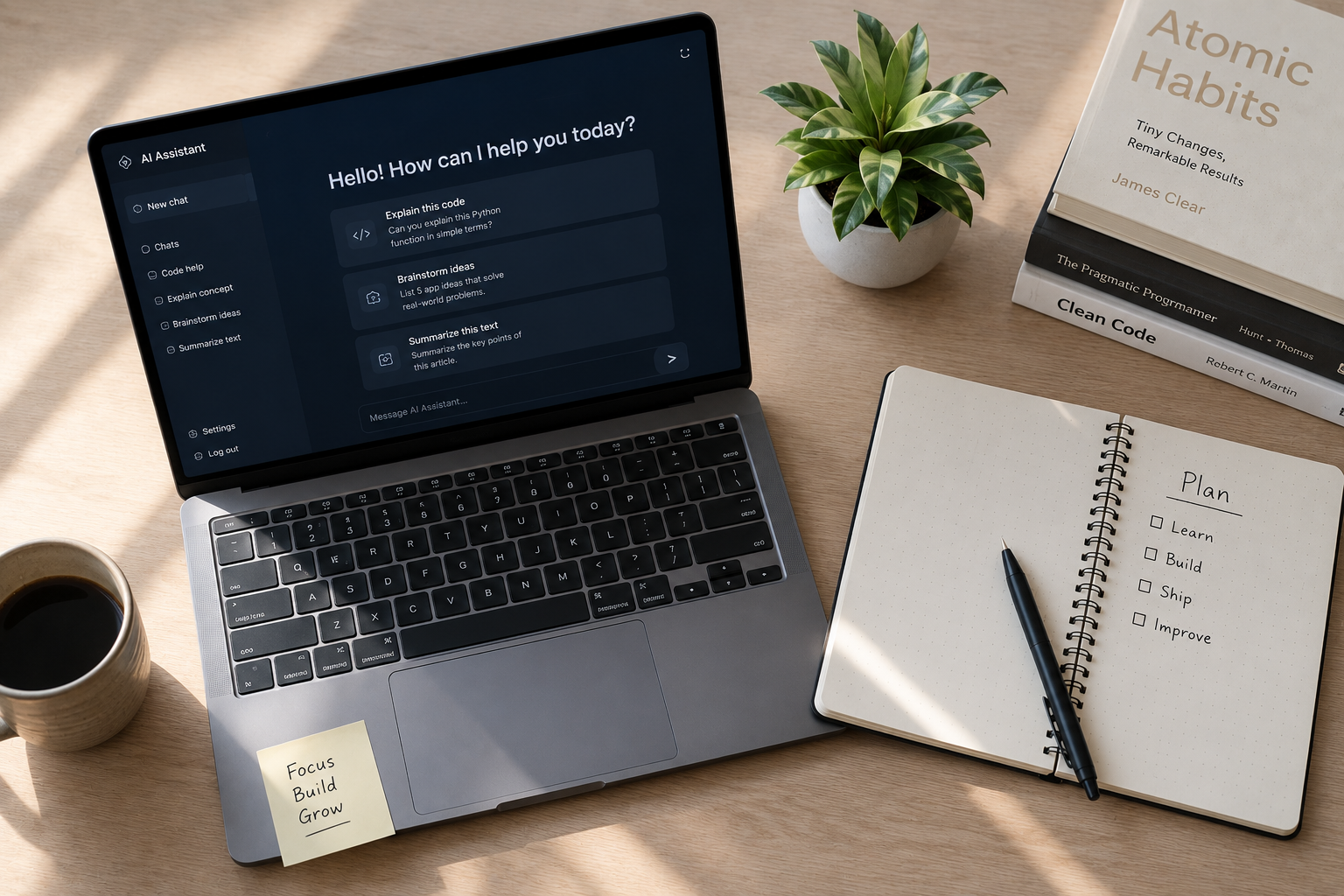
Step 1: Ask the AI to write you a simple program. Try this prompt:
"Write me a program that takes a student's test scores and calculates their average grade."
Step 2: Read the code — even if you don't understand it fully. Look at the structure. What do you notice? Are there words that seem logical? Words that are confusing?
Step 3: Now, break it on purpose. Ask the AI:
"What happens if someone enters a word instead of a number?"
or
"What if the list of scores is empty?"
Watch what happens. Does the AI catch the problem? Does the code crash? Does it give a wrong answer?
Step 4: Reflect. In your notes, write two things: one thing the AI did well, and one thing it missed or got wrong.
That gap — between what AI produces and what actually works — is exactly where your human skills matter.
💡 Key Takeaway
AI can write code. But understanding code is what gives you the power to build, fix, and improve things. That's what this series will teach you.
What's Next
Next week: What Is Code, Really? We'll go deeper into how computers actually understand instructions — and why that knowledge changes how you think.
Drop a comment below: what did you discover when you tried to break the AI's code? 👇